
BloomKeeper Beginner Guide: Herd Pouics and Revive Land
Learn the basics of BloomKeeper, from guiding Pouics and using guardian abilities to handling corruption, reading terrain, and choosing your difficulty.
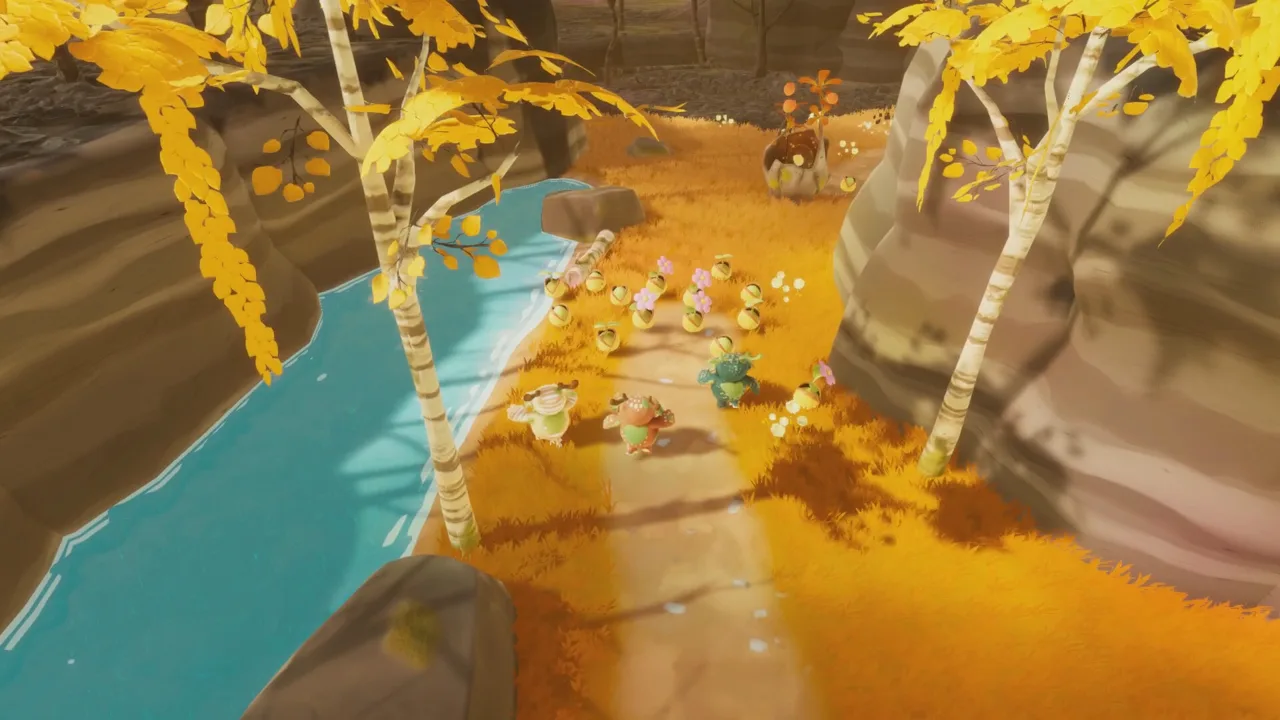
Start with the goal: guide Pouics and revive the land
A burnt landscape can look peaceful right up until your little seed creatures wander toward a cliff or a corrupted patch. This BloomKeeper beginner guide explains how to think about herding, movement, and environmental threats so you can focus on restoring each region. Whether you’re approaching BloomKeeper for its cozy art or its real-time tactical challenges, understanding how Pouics interact with the land is a useful place to start.
You play as the guardian, guiding Pouics through scorched areas. When they reach a scorched patch of land, they plant themselves and help bring the landscape back to life. The review describes levels with different terrain and obstacles, and says varied tactics are needed to complete them.
| Part of the experience | What it means for a new player |
|---|---|
| Pouics | Small creatures you guide across the landscape |
| Scorched ground | Land the Pouics can help restore |
| The guardian | Your character, whose actions include nudging, picking up and throwing, and rolling |
| Corruption | A threat that can scorch the earth and affect the environment |
| Level terrain | Fields, rocky areas, and caves, with different tactics described across levels |
The game is described as a real-time tactical adventure, but it also offers difficulty and accessibility settings. You can adjust the experience toward a more relaxed pace or take on more of a strategic challenge. The advice below sticks to mechanics described in the available review and game coverage; it doesn’t assume particular button mappings or hidden rules.
Official page: store.steampowered.com
Learn what each guardian action can do
This BloomKeeper beginner guide starts with the actions described in the review: the guardian can nudge the Pouics, pick up and throw an individual, or roll to travel faster. Nudging is used to herd the creatures, while picking up and throwing moves an individual a fair distance. These actions have tradeoffs: repeated nudges in quick succession can disperse a group, and rolling can squish Pouics, leaving them unable to be herded.
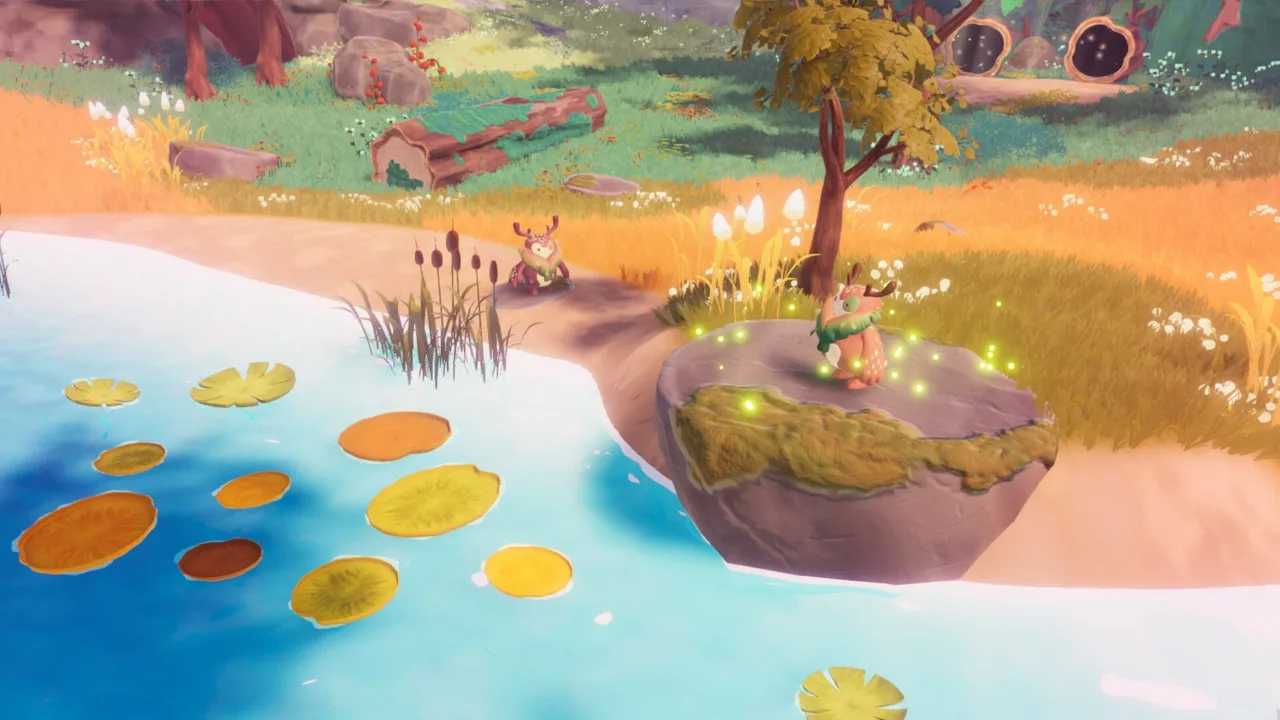 Image: Steam / Resonance Interactive
That makes restraint part of the basic strategy. Before nudging, take a moment to look at where the group is headed. If one Pouic needs repositioning, consider whether moving that individual directly is more useful than nudging the group. Save rolling for situations where speed matters, and take care around the Pouics because rolling can squish them.
| Action | Reported effect | Practical tip |
|---|---|---|
| Nudge | Used to herd the Pouics; repeated nudges in a short time can disperse them | Use a nudge, then watch how the group responds before nudging again |
| Pick up and throw | Moves an individual a fair distance | Consider it when you need to reposition one creature |
| Roll | Helps the guardian move faster, but can squish Pouics | Keep the creatures in mind before rolling |
These are strategic suggestions based on the described effects, not guaranteed solutions for every layout. The review describes rocky terrain and cave levels, along with different tactics across levels. If an action creates a problem, pause and reassess the group’s position instead of repeating the same move immediately.
A useful mental model for BloomKeeper is to treat each action as a choice between handling the group and handling one creature. Nudging is used to herd the Pouics; picking up and throwing applies to an individual. Rolling is for the guardian’s movement, but it can also squish the creatures. Keeping those distinctions in mind can help you make deliberate choices when the game becomes more tactical.
Read the terrain before guiding the group
The levels vary in setting and layout, and this BloomKeeper beginner guide takes that variety into account. The review describes fields, rocky terrain, and caves, with different obstacles and tactics across levels. These examples show that the game’s landscapes and level designs are varied.
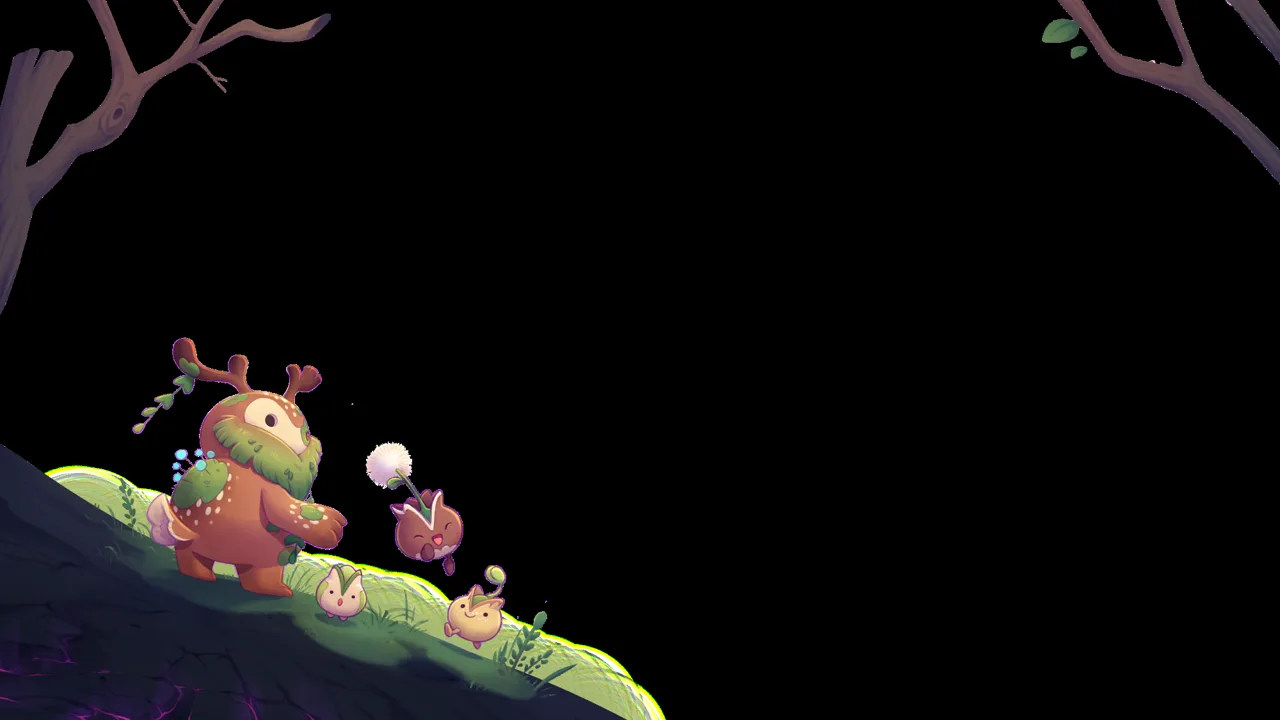 Image: resonance-interactive.com
Account for the terrain and obstacles described in the review as you guide the Pouics. Creatures can fall off a cliff, Lemmings-style, so watch for cliff edges while guiding them. The review also mentions corrupted flowers and other obstacles to manage.
| Terrain or situation | What to expect | A careful approach |
|---|---|---|
| Fields | One of the landscape types found across levels | Consider how the group moves as you guide it |
| Rocky areas | A terrain type found in the game; the review describes varied tactics across levels | Take time to observe how the group moves through the area |
| Caves | Some levels take place in caves | Account for obstacles as you guide the Pouics |
| Cliffs | Pouics may fall off cliffs, Lemmings-style | Keep that possibility in mind while guiding the group |
| Restoration | Pouics plant themselves on scorched ground, helping bring the landscape back to life | Notice how the landscape changes as ground is restored |
Instead, use the level’s visible layout to decide when to move the group, when to reposition one Pouic, and when to hold back. Consider the varied terrain, obstacles, and tactics when making those decisions.
Manage corruption and protect restored areas
BloomKeeper’s peaceful restoration has a strategic side, and this BloomKeeper beginner guide covers the threats described in the review. The world can become scorched again when Pouics do not walk across an area, and corrupted Pouics can scorch the earth. The review also mentions corrupted flowers and other obstacles. Separate game coverage says corrupted Pouics can transform into Malpouics, which appear to increase the spread of scorched zones and intensify environmental threats.
 Image: resonance-interactive.com
Pay attention to the corrupted Pouics, corrupted flowers, and scorched ground described in the coverage as you guide the group. When corruption affects the route, consider how to guide the Pouics around or through the area.
| Threat or change | What to know | What to keep in mind |
|---|---|---|
| Scorched ground returning | The world can become scorched again when Pouics do not walk across an area | Consider the restoration route as you guide the group |
| Corrupted Pouics | They can scorch the earth; coverage says they can transform into Malpouics | Consider how corruption may affect the surrounding ground |
| Corrupted flowers | The review lists them among obstacles to manage | Account for them when guiding the group |
| Restored regions | Coverage describes them as lasting refuges that contribute to recovery and shape future routes and priorities | Keep their role in the broader landscape in mind |
The coverage describes restored regions as lasting refuges that contribute to the world’s recovery and influence future routes.
Notice where the ground changes and whether corruption is nearby. Use those observations to inform your next decision, and consider the different terrain and obstacles as you guide the Pouics through each region.
Choose a pace that fits your play style
The review describes difficulty options and accessibility settings. It says accessibility settings can let players make the experience as cozy as they like. It also reports that the reviewer completed the main story in about 10 hours, playing on easy and normal. That’s one person’s reported experience, not a promise of how long your playthrough will take.
| If you want… | Consider… | Why |
|---|---|---|
| A more relaxed experience | An easier difficulty or available accessibility settings | The review says accessibility settings can make the game as cozy as you like |
| More tactical pressure | Normal difficulty | The reviewer suggests staying on normal for more strategic challenge |
| A shared experience | Co-op mode | The coverage says co-op appears to emphasize coordination and shared responsibility |
| An idea of story length | The review’s reported completion time | The reviewer finished the main story in about 10 hours |
Co-op is available, but the reviewer did not try it. The coverage says co-op appears to emphasize coordination and shared responsibility when guiding Pouics and responding to environmental changes. The full co-op coordination rules are unspecified.
If you’re unsure where to start, choose a difficulty that lets you learn the movement tools at a comfortable pace. You can focus on how nudging, throwing, and rolling affect the creatures, then decide whether you want more pressure. The BloomKeeper beginner guide approach is to treat difficulty as a comfort setting for learning, not as a test you have to pass.
What to expect from BloomKeeper
BloomKeeper pairs herding with a nature-restoration theme. The review highlights animations of plants and landscapes returning to life, along with cozy music that can become darker in corrupted areas. It also praises the cute guardian design and varied level environments. Those details help explain why the game can feel soothing even as it asks you to plan around hazards.
The available coverage identifies the game as a PC title on Steam and reports a September 16, 2026 launch date. For further details, read Margot Plays’ BloomKeeper review, which describes a completed main-story playthrough and the reviewer’s impressions of its mechanics.
If you’re starting out, keep the core loop in mind: guide the Pouics toward scorched ground, and respond carefully when corruption or obstacles appear. The BloomKeeper beginner guide basics are less about rushing and more about understanding how your actions affect the group. Move with care and let each level’s layout inform your decisions. Keep this BloomKeeper beginner guide in mind as you learn how the group responds.
FAQ
What do you do in BloomKeeper?
You play as a guardian who guides Pouics across scorched landscapes. The creatures help restore scorched ground as they travel, while you guide them and manage obstacles.
How do you move Pouics in BloomKeeper?
The guardian can nudge the Pouics or pick up and throw an individual. Repeated nudges in quick succession can disperse the group, and rolling can squish Pouics, so use those actions thoughtfully.
Is BloomKeeper a cozy game or a strategy game?
It has elements of both. The review describes a cozy restoration experience that becomes more tactical as corruption and obstacles appear. Difficulty and accessibility settings let you adjust the feel.
Is BloomKeeper beginner friendly?
The available review describes difficulty levels and accessibility settings that can make the experience more relaxed. This BloomKeeper beginner guide recommends starting at a comfortable pace and learning how each action affects the Pouics before taking on more pressure.
What is the main goal in BloomKeeper?
You guide Pouics across Hedera to restore nature and reach the source of the blight. You also need to protect your colony and keep scorched zones from reclaiming restored ground.
How many players can play BloomKeeper together?
BloomKeeper supports online co-op for up to four players. It also supports solo play.
Can you change the difficulty in BloomKeeper?
You can switch between Easy, Normal, and Challenging in the Glade. Difficulty details are unspecified.
What should I focus on first in this BloomKeeper tutorial?
Look for a key point and consider the terrain between it and your colony. Guide Pouics to key points, keep them together, and account for hazards that shape movement. As you proceed, watch for scorched zones spreading and consider whether to advance or restore nearby ground.
Can restored areas become scorched again?
Yes. Scorched zones spread constantly and can reclaim ground. It also says terrain can slow their spread and offer lasting shelter to areas you have saved.
Do these BloomKeeper tips apply to co-op?
Yes. BloomKeeper supports solo play and online co-op for up to four players. Co-op involves coordination and awareness of other players.
Continue with
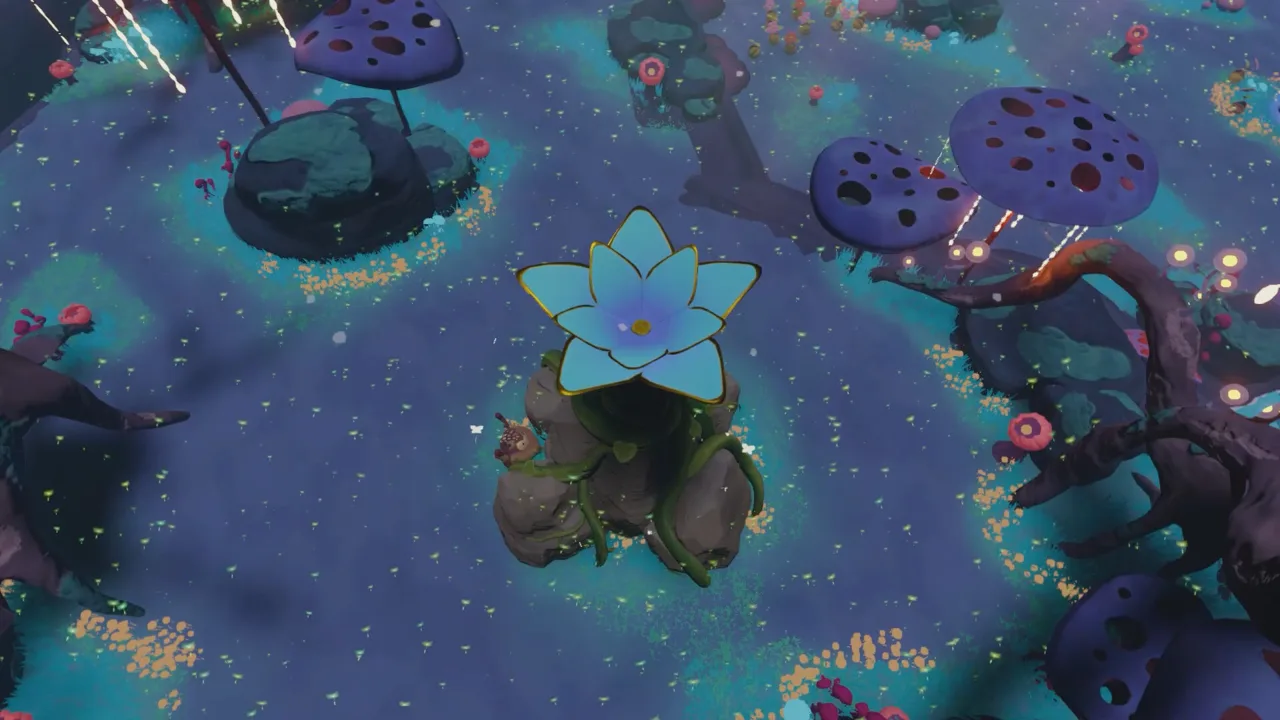 BloomKeeper Difficulty: Pouic Risks and Gameplay GuideLearn what shapes BloomKeeper difficulty, from fragile Pouics and spreading scorched zones to terrain hazards, restored regions, and co-op decisions.
More in Guides
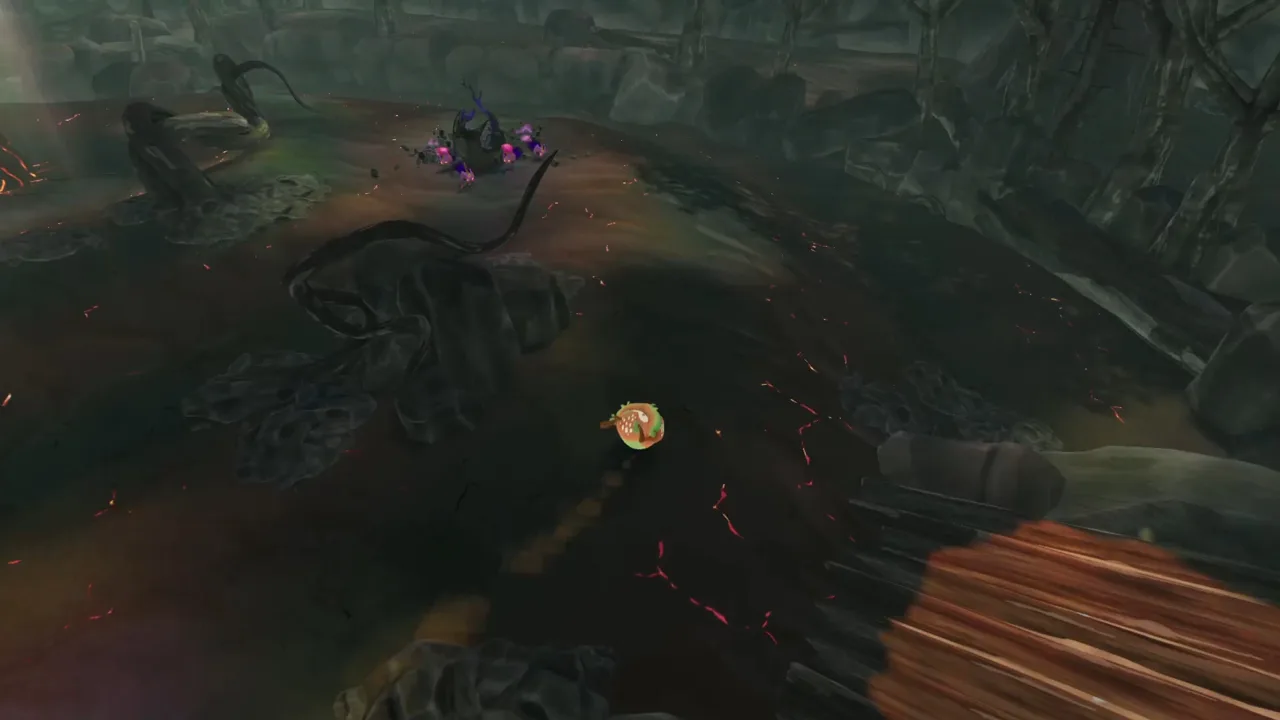
BloomKeeper Controls: Nudge, Throw, and Roll Explained
Learn BloomKeeper controls for nudging, grabbing, throwing, and rolling. Understand controller prompts and guide Pouics safely across the island of Hedera.
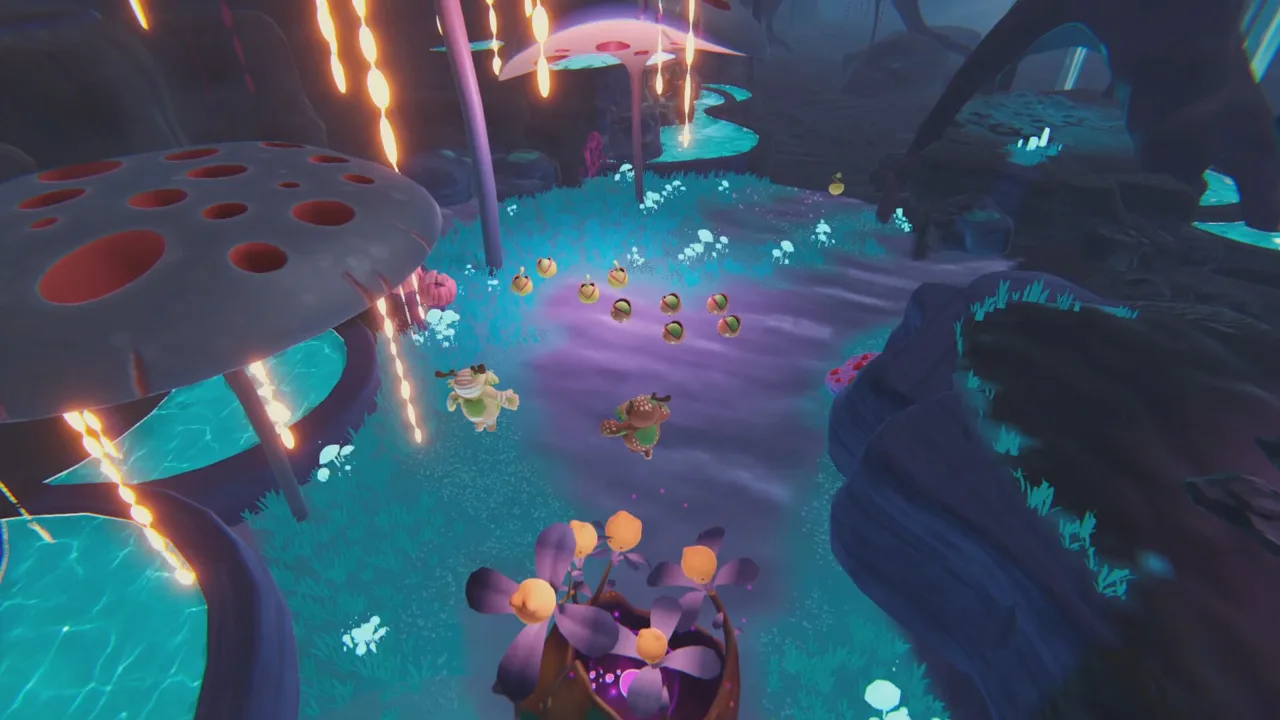
BloomKeeper How Long to Beat: Story Length and Tips
BloomKeeper how long to beat: plan around a reported 10-hour story run, understand difficulty and co-op limits, and get practical Pouic herding tips today.
BloomKeeper Restore Nature: Seeds, Threats, and Tips
Learn BloomKeeper restore nature basics, guide creatures toward seeds, handle hostile creatures, and follow practical tips from a player's early gameplay.
BloomKeeper Walkthrough: Restore Land and Protect Pouics
Guide fragile Pouics across Hedera to restore scorched land. Watch for terrain hazards and spreading scorched zones that can reclaim restored ground.
Join the community
Official channels for news, updates and player help: